Story by George Yawson Vineh
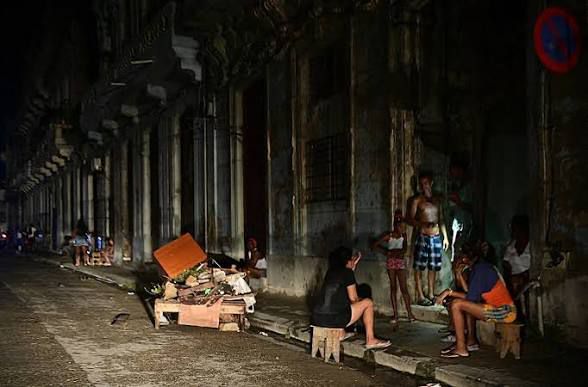
Cuba has once again been plunged into darkness after the collapse of its national power grid, marking the third islandwide blackout in just one month and deepening an already severe energy crisis affecting millions across the Caribbean nation.
The latest outage, which occurred on March 21, 2026, was triggered by a failure at a major thermoelectric plant in the province of Camagüey. The incident caused a cascading breakdown across the country’s fragile electricity network, cutting power to homes, businesses, hospitals, and public services nationwide.
According to officials from Cuba’s energy sector, emergency measures were quickly activated, including the creation of localized power “micro-systems” to supply critical services such as hospitals and water facilities. However, full restoration of electricity is expected to take time due to the scale of the disruption.
The blackout is the latest in a string of nationwide outages that have exposed the vulnerability of Cuba’s aging power infrastructure. Energy experts point to deteriorating equipment, limited maintenance, and chronic fuel shortages as key factors behind the repeated system failures.
This repeated blackouts have sparked renewed debate over the need for investment in renewable energy and modernization of the country’s aging electrical infrastructure.
Cuba’s government has also blamed worsening fuel scarcity on external pressures, particularly restrictions affecting oil imports. Reports indicate the country has received little to no fuel from key suppliers in recent months, leaving it able to meet only a fraction of its energy needs.
The impact on daily life has been severe. Major cities, including the capital Havana, have been left in darkness, disrupting transportation, communication networks, and food storage. Businesses have been forced to shut down, while residents rely on generators, candles, and other temporary solutions to cope with prolonged outages.
This latest collapse underscores a broader and long-standing energy crisis in Cuba, where recurring blackouts have become increasingly common since 2024. Analysts warn that without significant investment in infrastructure and a stable fuel supply, the country may continue to face frequent nationwide outages.
As authorities work to stabilize the grid, the repeated blackouts are raising urgent questions about the sustainability of Cuba’s energy system and the long-term solutions needed to prevent further nationwide disruptions.