

By: Maxwell Woyram Tsigbe
The 𝐀𝐟𝐫𝐢𝐜𝐚–𝐂𝐡𝐢𝐧𝐚 𝐂𝐞𝐧𝐭𝐫𝐞 𝐟𝐨𝐫 𝐏𝐨𝐥𝐢𝐜𝐲 𝐚𝐧𝐝 𝐀𝐝𝐯𝐢𝐬𝐨𝐫𝐲 (𝐀𝐂𝐂𝐏𝐀), a Sino-African research and policy think tank successfully hosted a dialogue forum to explore emerging pathways for strengthening Africa–China economic relations, and driving shared development in a rapidly evolving global economy.
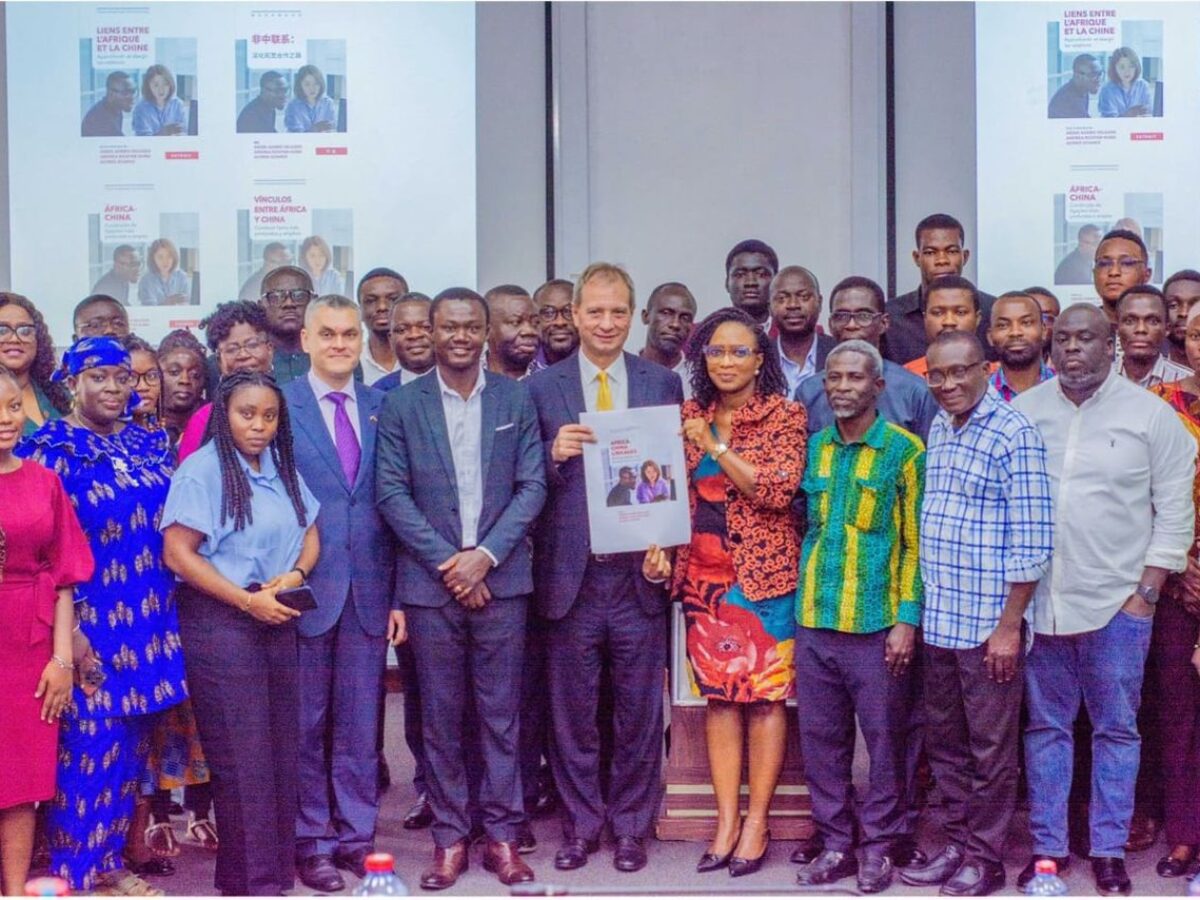
The event also featured the official launch of an intercontinental economic development strategy research book titled: “Africa-China Linkages: Building Deeper and Broader Connections,” a document which samples China’s economic fortunes and development strategies for the acceleration of African economies.
Held at its 𝐂𝐄𝐈𝐁𝐒 𝐀𝐟𝐫𝐢𝐜𝐚 𝐂𝐚𝐦𝐩𝐮𝐬 in 𝐄𝐚𝐬𝐭 𝐋𝐞𝐠𝐨𝐧 – Accra, the event commenced with a keynote presentation by the co-editor of the landmark IMF publication, 𝐏𝐫𝐨𝐟. 𝐀𝐥𝐟𝐫𝐞𝐝 𝐒𝐜𝐡𝐢𝐩𝐤𝐞, former IMF Mission Chief for China, and Director of East Asian Institute (EAI) of the National University of Singapore who highlighted thematic areas for rapid economic development of African countries. According to him, the motive behind the publication was to depoliticise the relationship between China and Africa and focus on its economic advantages.

“When it comes to the relationship between China and Africa often it is highly politicised and we wanted to bring it back to let’s look at the facts and figures and then we have a serious discussion about where are the potential challenges and where are the opportunities and how we maximise the benefits of this relationship,” 𝐏𝐫𝐨𝐟. 𝐒𝐜𝐡𝐢𝐩𝐤𝐞 noted.
On the theme: “Rethinking Africa-China
Economic Futures,” the forum brought together stakeholders from all sectors including development strategists, policymakers, renowned economists, researchers, and scholars. With this common platform created, participants discussed how China’s relationship with the African continent can inure to the benefit of both parties mutually amid obvious socioeconomic challenges.
The second phase of the event featured a high-level panel discussion between 𝐏𝐫𝐨𝐟. 𝐀𝐥𝐟𝐫𝐞𝐝 𝐒𝐜𝐡𝐢𝐩𝐤𝐞 and Dr. Samuel Darkwa, a Governance Fellow at the Institute of Economic Affairs (IEA), Accra, who both shed light on the bilateral relations between China and African countries particularly Ghana. The two panelists also took turns to answer thought-provoking questions from the audience.
Professor Schipke underscored the need for dynamic cooperation models in terms of policy alignment, institutional reforms, shared prosperities and responsibilities between China and Africa in areas such as sustainable finance, green development, and digital innovations. He also added that local ownership as the bedrock of the bilateral relation will facilitate a mutual and inclusive growth for both parties.

On the other hand, Dr. Samuel Darkwa complemented the discussion with an expert perspective on governance and local policy. He implored citizens to take keen interest in government policies and offer their views on issues that affect their communities. With this, he believed that the local communities will benefit greatly from any bilateral relations Ghana established with other countries, as well as empower them to hold government accountable.
The book, published by the International Monetary Fund (IMF) also analysed the impact of trade, finance flows and investment on Africa’s economic development. It also detailed how China’s fintech, innovation, green growth and real estate markets will strengthen its relations with Africa.
The forum concluded with calls on African leaders to shy away from unsubstantiated notion of a “China debt trap” being implanted in Africa as it lacks empirical data. Instead, African leaders must consider the adaptation of advantageous future policies particularly in macroeconomic management, investment in digital technologies, domestic resource mobilisation, and green infrastructure development.
As the 𝐀𝐟𝐫𝐢𝐜𝐚–𝐂𝐡𝐢𝐧𝐚 𝐂𝐞𝐧𝐭𝐫𝐞 𝐟𝐨𝐫 𝐏𝐨𝐥𝐢𝐜𝐲 𝐚𝐧𝐝 𝐀𝐝𝐯𝐢𝐬𝐨𝐫𝐲 (𝐀𝐂𝐂𝐏𝐀) remained committed to fostering China’s relationship with Ghana and the rest of the African continent, much of this high-level engagements are expected in the future.