

As the world charts a path toward decarbonisation, Africa finds itself at an inflection point: it can either repeat the carbon-intensive development pathways of industrialised nations or leapfrog directly to a low-carbon grid that harnesses its abundant renewable resources. At the heart of this transformative opportunity were the central insights delivered by Professor Ivan Cardillo during the Toward a Shared Green Future: China, Africa and the Strategic Reconfiguration of Global Energy Transmission webinar, hosted by the Africa–China Centre for Policy and Advisory (ACCPA) and the Institute of Chinese Law.
Africa can build its energy future without retracing the footprints of fossil infrastructure, Professor Cardillo asserted, pointing to China’s remarkable clean energy expansion as a case study. “By Investing in transmission for variable renewables, Africa can bypass some intensive stages, like in the case of China,” he said. Over the past decade, China has scaled renewable energy deployment at an unprecedented pace – from becoming the first nation to surpass 1 terawatt (TW) of solar capacity to rapidly integrating wind, hydro and transmission technologies into a cohesive grid strategy.
This rapid build-out was no accident. It was powered by deliberate policy frameworks, industrial planning, and significant investment in electricity transmission networks capable of accommodating variable generation from solar and wind. For African grid planners, this experience holds critical lessons.
Yet, unlike many developed grids that were originally designed around large coal and gas plants, much of Africa’s existing infrastructure is fragmented or limited, especially in rural regions. This means African nations have a rare opportunity: they can design from the ground up, embracing high-voltage transmission corridors and smart grid technologies without first dismantling legacy systems.
Chinese engagement in African energy infrastructure already reflects this kind of forward-looking cooperation. Data from Chinese authorities shows that Chinese power companies have constructed more than 66,000 kilometers of transmission and transformation lines across more than 40 African countries, adding technical capacity and enabling expanded access to electricity.
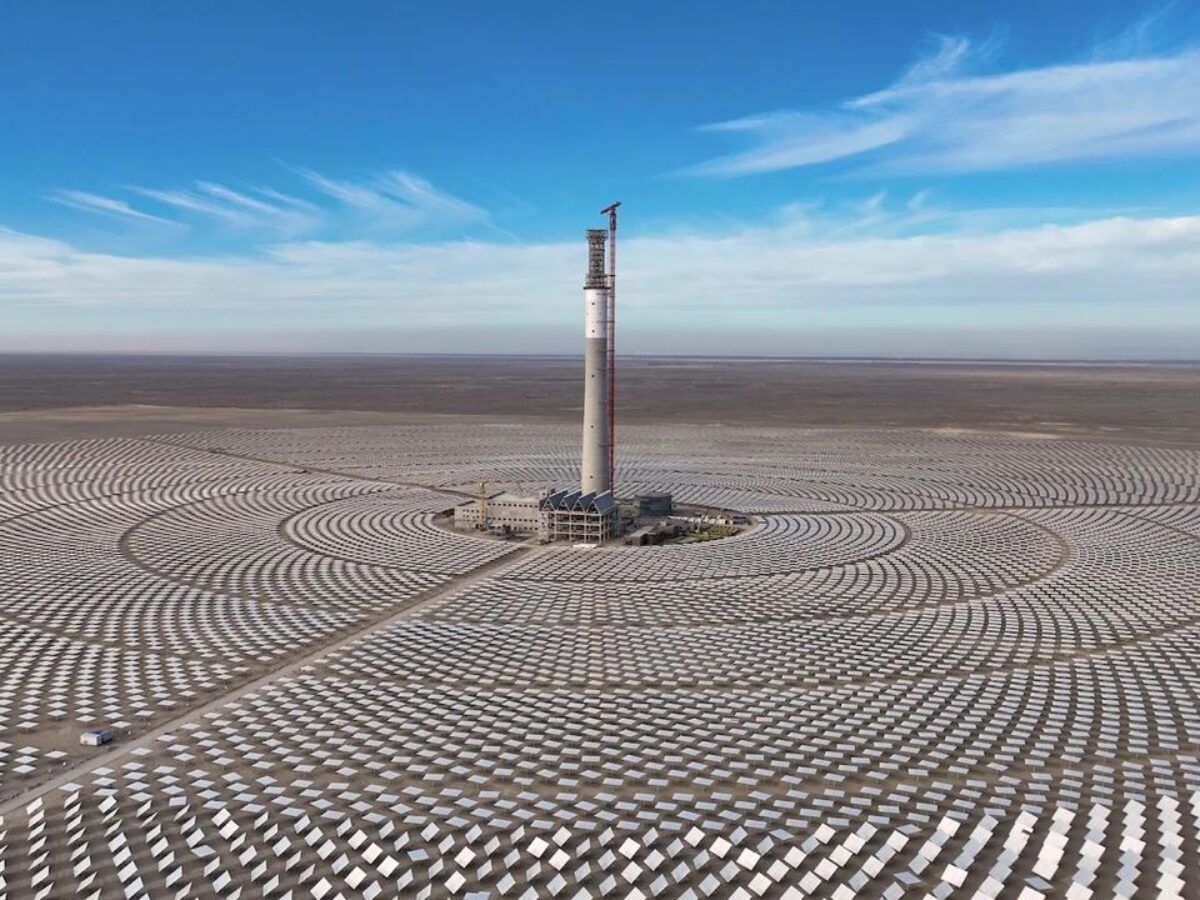
Beyond transmission lines, China has been actively financing and building renewable generation installations such as solar parks, wind farms, and hydropower facilities. Examples include South Africa’s Redstone Concentrated Solar Power project and Kenya’s Garissa solar plant, while smaller, community-focused installations are under discussion in countries like Namibia.
This approach resonates with African leaders’ own energy goals. Investments under the Forum on China–Africa Cooperation (FOCAC) and the Belt and Road Initiative increasingly target clean energy and transmission infrastructure, with Chinese entities undertaking hundreds of renewable energy projects aimed at reducing energy poverty and advancing sustainable growth across the continent.
However, building a low-carbon grid requires more than hardware. Professor Cardillo emphasised that enabling policies and regulatory reforms must accompany physical infrastructure development. He pointed to China’s system of long-term energy planning – anchored in clear grid integration goals, grid-access guarantees for renewable producers, and coordinated regional standards – as something African policymakers could adapt.
This is especially important given the rapid expansion of solar adoption across the continent. Recent reports show Africa’s status as the fastest-growing solar market in 2025, buoyed in large part by imports of Chinese solar modules, which have helped countries from Algeria to Zambia scale renewable capacity.
Investments in transmission not only ensure that these new generation assets can deliver power reliably but also reduce dependency on fossil fuels. External actors are also stepping in. For example, the World Bank Group has considered boosting South Africa’s transmission capacity with a $500 million facility specifically aimed at integrating more renewable energy – a sign that multilateral support for grid advancement is gaining momentum.
China’s role in Africa’s renewable transformation does not exist in isolation. Other bilateral and multilateral partners – including the World Bank, the African Development Bank (AfDB), and development agencies from Europe and the United States – are also investing in grid upgrades and capacity building.
In East Africa, for instance, the Ethiopia–Kenya ±500 kV DC transmission project has been a landmark effort linking national grids to facilitate cross-border power flows, with Chinese firms involved in technical components of construction. This project exemplifies the kind of regional cooperation that supports grid resilience across national boundaries.
For Professor Cardillo, the evidence is clear: Africa can bypass carbon-intensive energy pathways with strategic planning, smart transmission design, and international cooperation. China’s renewable transmission revolution – powered by policy, investment, and technology integration – offers a blueprint.
As Africa continues to expand renewable energy capacity and build infrastructure, the continent’s capacity to leapfrog into a clean, resilient, and interconnected grid will depend on how effectively policymakers, investors, and partner nations align strategy with technology – and how swiftly they act on the lessons already unfolding across the globe.