

By Makiza Micheline Latifa
The United Nations General Assembly has adopted a landmark resolution formally declaring the transatlantic slave trade the gravest crime against humanity, a historic moment that advocates say marks a turning point in the global pursuit of reparatory justice.
The resolution was adopted by an overwhelming majority, with 123 member states voting in favour, only 3 against, and 52 abstentions, a result that signals massive global endorsement for Ghana’s push to hold history accountable.
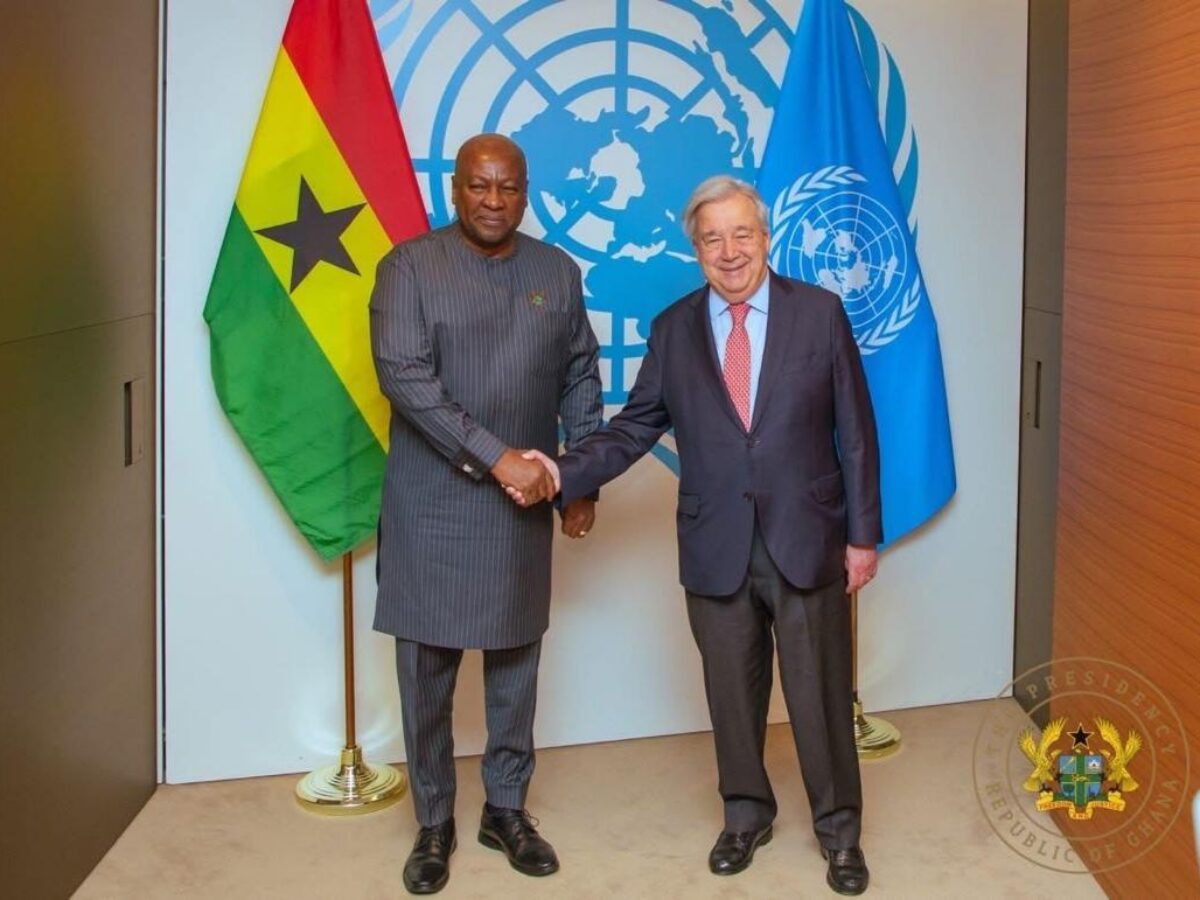
The resolution, championed by President John Dramani Mahama on behalf of the African Group, was titled the “Declaration of the Trafficking of Enslaved Africans and Racialised Chattel Enslavement of Africans as the Gravest Crime Against Humanity.” Its adoption on Wednesday, the 25th of March, came on the International Day of Remembrance of the Victims of Slavery and the Transatlantic Slave Trade.

Addressing the General Assembly, President Mahama framed the moment as the product of steady, incremental progress. “Progress is made in steps,” he told delegates. “It’s the forward motion toward something better, and the changes are often incremental.”
He recalled that the International Day of Remembrance itself was born from a similar act of collective will, first designated in 2006 and made an annual observance in 2007. Two decades later, he said, the world was taking another decisive step forward.
Mahama dedicated the resolution to the approximately 13 million African men, women, and children who were enslaved over several centuries, saying the world honours their memory through oral histories, books, music, monuments, and memorials including the Ark of Return, located at the Visitors Plaza of the United Nations Headquarters.
“Through these activities, we do more than remember,” he said. “We document and educate; we gain a greater perspective; we find the delicate balance of learning from history so we do not repeat it, while leaving the pain behind. In doing so, we begin to heal.”

Ghana first signalled its intention to move the motion at the 80th session of the General Assembly in September last year. The draft resolution that followed was the result of months of consultation and consensus-building by continental bodies, nations, experts, scholars, and jurists, all working toward a united front grounded in truth, compassion, and moral conscience.
“Today, we come together in solemn solidarity to affirm truth and pursue a route to healing and reparative justice,” Mahama told the Assembly. “The adoption of this resolution serves as a safeguard against forgetting.”
Closing his address with words from two towering historical figures, Mahama quoted former US President Theodore Roosevelt: “With a great moral issue involved, neutrality does not serve righteousness; for to be neutral between right and wrong is to serve wrong.” He also invoked civil rights leader Dr. Martin Luther King Jr., who said the arc of the moral universe is long, but bends toward justice.
“We have travelled the long road, each step guided by a desire to be better, to do better,” Mahama said. “On this beautiful day in March, we are called to stand on the right side of history. Let it be recorded that when history beckoned, we did what was right for the memory of the millions who suffered the indignity of slavery. Let our vote on this resolution restore their dignity and humanity.”
The vote count, 123 in favour, 3 against, and 52 abstentions reflects the breadth of international support Ghana was able to marshal, and stands as a testament to the months of diplomatic groundwork laid by Accra and its partners across the African continent and beyond.

Following the vote, Foreign Affairs Minister Samuel Okudzeto Ablakwa thanked member states for their support, but was careful to frame the moment as a beginning rather than an end. “The adoption of this resolution is not an arrival at the final destination,” he said, “but a major step in our ongoing journey and collective conversation for reparatory justice.”
UN Secretary-General António Guterres, also speaking at the commemoration, described the transatlantic slave trade as a deliberate machinery of mass exploitation built on stolen lives and forced labour, warning that its impacts continue to be felt today and are too often overlooked.

The passage of the resolution marks a significant diplomatic achievement for Ghana and the African Group, and is expected to intensify international dialogue on what reparatory justice should look like in practice moving the global conversation from remembrance to action.