Story by George Yawson VINEH
The Ghana School Feeding Programme has held a workshop to review its policy document, with a focus on strengthening the programme’s contribution to poverty reduction and ensuring schoolchildren, particularly those in rural communities, have access to adequate and nutritious meals.
The Ghana School Feeding Programme continues to play an important role in improving school attendance, supporting household incomes and addressing hunger among children across the country.
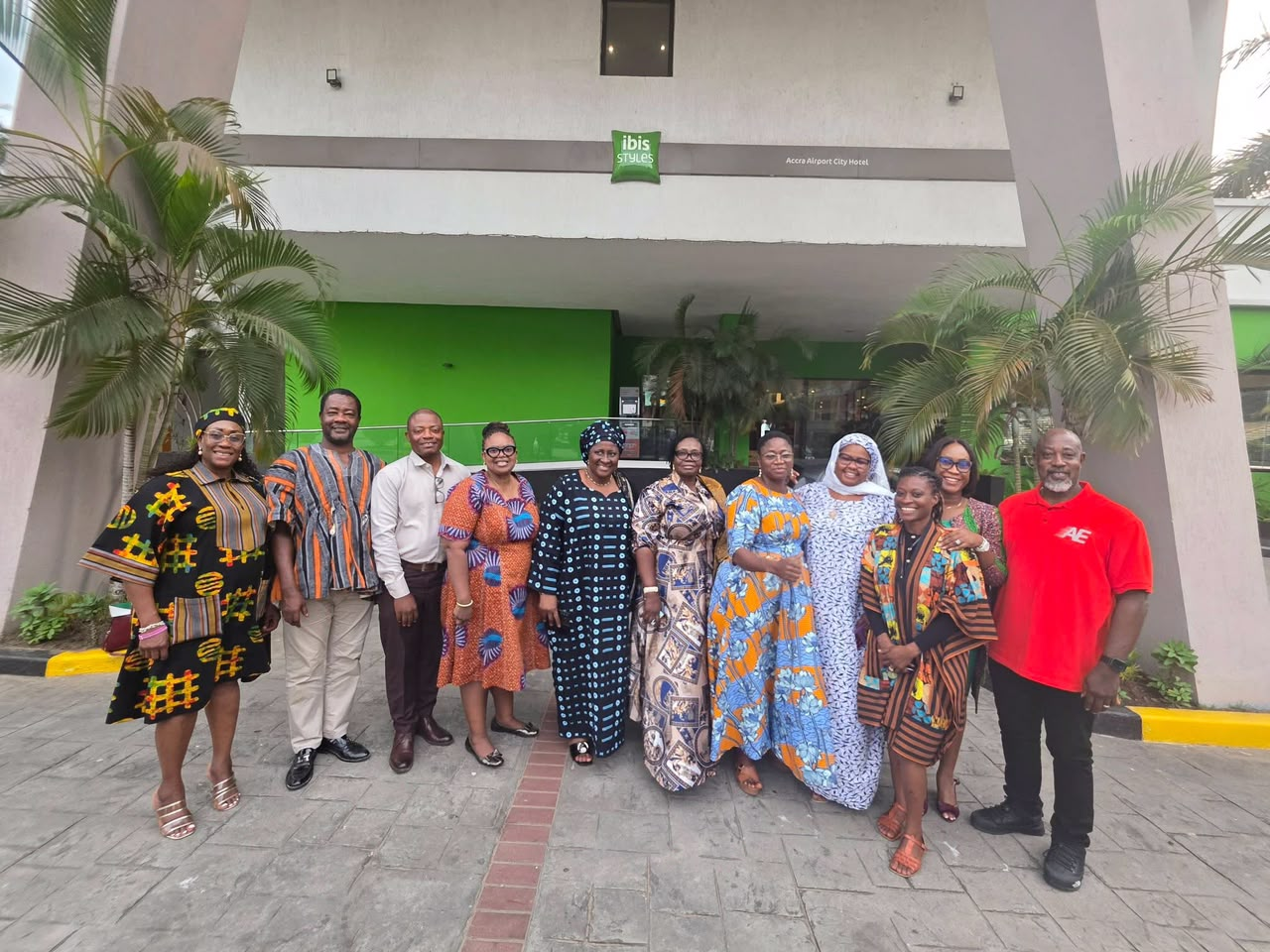
Opening the workshop in Accra on Friday August 21, with support from the World Food Programme (WFP) the National Coordinator of the GSFP Hajia Fati Forgor urged participants to feel free to express their views and make constructive inputs, stressing that their practical experience and knowledge of the Programme were essential to strengthening the policy document.
The latest policy review workshop brought together key stakeholders to assess the existing policy framework and identify areas that require improvement to make the programme more effective and sustainable.

Participants at the workshop discussed measures to ensure that schoolchildren receive adequate and nutritious food, especially in rural and deprived communities where poverty and food insecurity continue to affect children’s wellbeing and education.
The review is also expected to strengthen mechanisms for monitoring food quality, improving accountability and ensuring that resources allocated to the programme reach their intended beneficiaries.
Stakeholders believe that providing children with nutritious meals at school can help improve concentration and participation in class while reducing the burden on vulnerable families.
The Ghana School Feeding Programme is therefore seeking to refine its policy direction to better respond to emerging challenges and ensure that the programme remains a reliable social protection intervention.
The GSFP Policy envisages a well organised, decentralised intervention providing disadvantaged school children with nutritionally adequate, locally produced food also envisions poverty reduction, improved household incomes and strengthen local economic development.
The outcome of the workshop is expected to contribute to a revised policy document that will guide the implementation of the programme and enhance its impact on the lives of schoolchildren and their families.