By Makiza Micheline Latifa
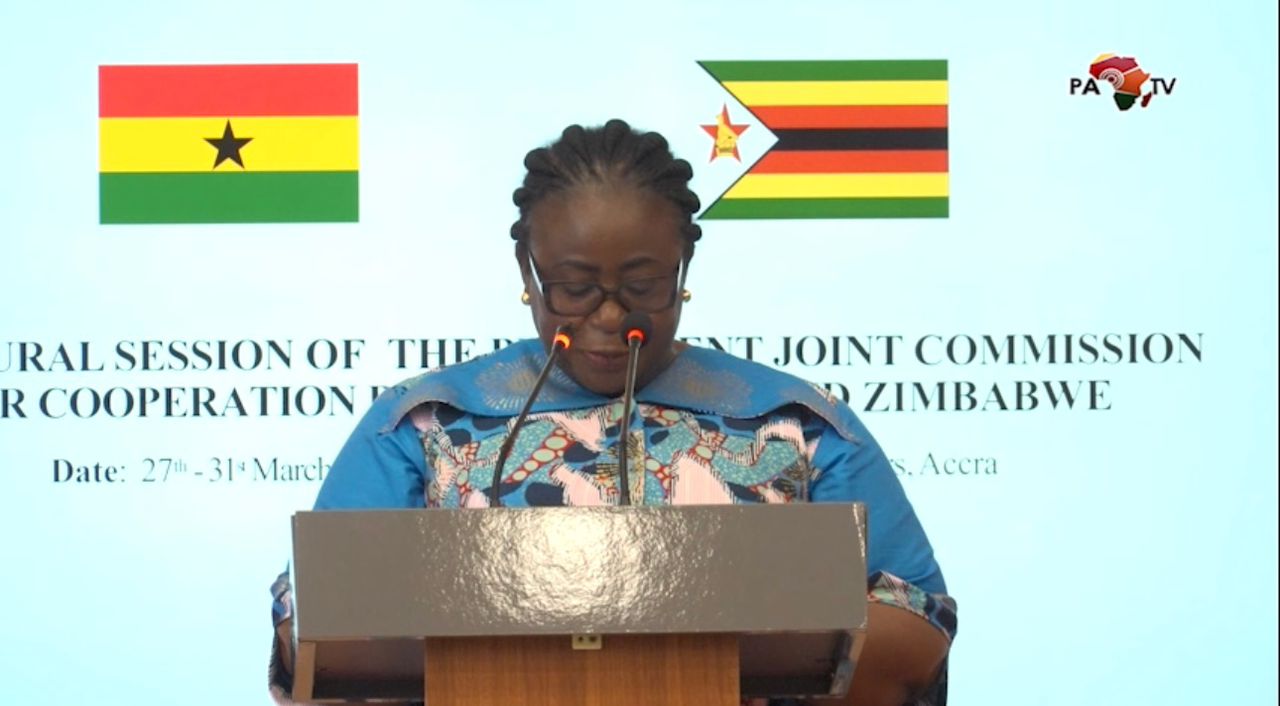
Ghana and Zimbabwe have formally opened the Technical and Ministerial meetings of their Permanent Joint Commission for Cooperation (PJCC) in Accra, marking what senior officials from both countries described as a defining moment in a bilateral relationship forged through decades of shared Pan-Africanist struggle.
The opening ceremony, held on Friday at Ghana’s Ministry of Foreign Affairs, brought together high-level delegations from Accra and Harare to lay the groundwork for a structured, results-driven partnership, one that both sides say is long overdue.
A Relationship Rooted in History
The ties between Ghana and Zimbabwe stretch back more than six decades, anchored in the Pan-Africanist ideals championed by their founding leaders. Yet despite the depth of that historical connection, a formal framework for bilateral cooperation had remained elusive for much of that period.
Chief Director of Ghana’s Ministry of Foreign Affairs, Ambassador Khadijah Iddrisu, captured the weight of the moment in her opening remarks. “This meeting is both historic and symbolic,” she said. “It marks not only the formal institutionalisation of cooperation between our two countries but also a conscious effort to revitalize a relationship whose foundations were laid many decades ago. Ghana and Zimbabwe share a deeply rooted history shaped by our common struggle for independence and our enduring commitment to Pan-Africanism.”

Zimbabwe’s Permanent Secretary for Foreign Affairs and International Trade, Ambassador Albert Ranganai Chimbindi, was equally emphatic about the foundations of the relationship. “The relations between our two countries are historic and principled,” he said. “They are rooted in our shared struggle for African liberation. Ghana was among the first countries with which Zimbabwe established diplomatic relations at independence in 1980.”
But Ambassador Chimbindi went further, surfacing a lesser-known chapter of that solidarity. Ghana, he revealed, provided military training to Zimbabwean liberation fighters between 1964 and 1965, years before Zimbabwe’s independence. “That support remains a powerful symbol of Pan-African solidarity,” he said. “We owe you an eternal huge debt of solidarity. Thank you, Ghana.”

From Solidarity to Strategy
With the historical foundation firmly established, both officials turned their attention to the work ahead. Ambassador Chimbindi was direct about what will determine the success of the commission. “Ultimately, the success of this PJCC will depend on our ability as senior officials to identify strategic priorities, implement practical programmes and ensure measurable outcomes,” he said.
Ambassador Khadijah also reinforced that call for accountability, stressing that the meetings must be driven by defined priorities, tangible results and sustained commitment, framing the occasion as a turning point that moves the Ghana-Zimbabwe relationship from goodwill into action.
What Comes Next
The Technical meetings, which opened today, set the stage for Ministerial-level sessions scheduled for Tuesday, 31 March. It is at those higher-level talks that both sides are expected to formalise agreed outcomes and define a forward-looking agenda for cooperation.
The commission has identified more than twenty priority areas for cooperation spanning trade and investment, agriculture, mining, energy, education, health, and tourism. The African Continental Free Trade Area has also been identified as the ideal strategic framework through which both nations can expand market access and contribute to the broader project of continental economic integration.
For Ghana, the meetings come at a moment when the Mahama administration has placed renewed emphasis on strengthening intra-African diplomatic and economic ties. For Zimbabwe, deepening the relationship with one of West Africa’s most influential nations represents a strategic opportunity to broaden its continental partnerships.