By Maxwell Woyram Tsigbe
The Parliamentary Select Committee on Energy has commended the National Petroleum Authority (NPA) for its reception and open engagement with its members.
The acknowledgment follows the Committee’s working visit led by its Chairman, Honourable Emmanuel Kwasi Bedzrah, to the Authority’s head office to familiarise members and assess the Authority’s activities under its new leadership.
The meeting creates a common platform for both the Committee and the Authority to probe and clarify issues related to the downstream petroleum industry.

According to Honourable Emmanuel Kwasi Bedzrah, the engagement will enable Parliament to explore avenues that the government could leverage in providing the necessary support for the Authority’s effective operations. He explained that the NPA’s work is focused on regulating Ghana’s downstream petroleum sector, a critical area for national energy security, hence, must not be toyed with.
Mr. Bedzrah noted that the Committee is particularly interested in assessing whether the country has adequate petroleum stock to meet national demand amid rising geopolitical tensions, including the ongoing US–Iran conflict which could have adverse effect on Ghana’s energy supply and pricing.

He further disclosed that the Committee intends to engage closely with the Authority on a proposed new petroleum bill. According to him, a draft of the legislation will be reviewed and possibly presented to Parliament under a certificate of urgency.
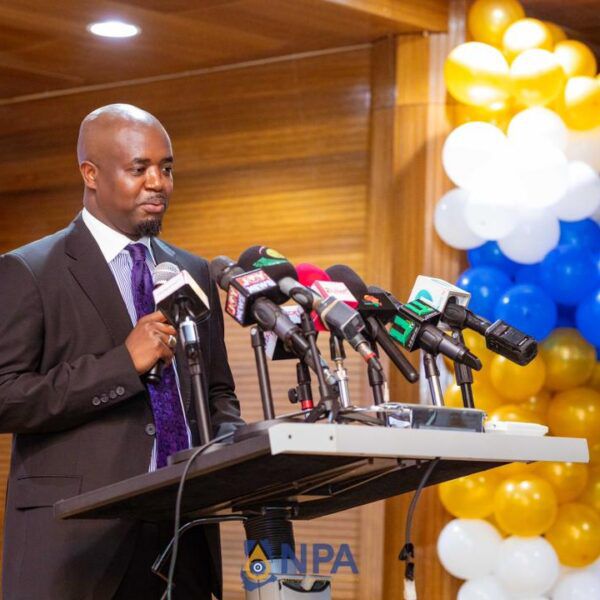
Meanwhile, the Chief Executive Officer of the National Petroleum Authority, Mr. Godwin Edudzi Tamekloe, assured the Committee of the Authority’s commitment to its mandate to effectively regulate the petroleum sector in the best interests of the country.

Mr. Tamekloe further highlighted initiatives such as Fuel Marking Scheme and regular inspections to ensure compliance, fuel quality and consumer protection. He also underscored the importance of Uniform Petroleum Pricing Policy to promote fairness and equal access to fuel nationwide.
The visit formed part of Parliament’s mandatory oversight responsibilities as required by the Constitution of Ghana.