By Victoria Wilson
Photo: Matt-80 / Wikimedia Commons (CC BY 2.0)
South Africa’s June 30 anti-migrant deadline is five days away, with police deploying nationwide and protest groups saying they will not stand down. Ghana has evacuated approximately 1,000 citizens. Nigeria has flown home over 260, with more than 1,000 in total being processed. Mozambique repatriated 700 after five of its nationals were allegedly killed in Mossel Bay, a figure the South African Foreign Minister has disputed. Zimbabwe has evacuated 139. In Durban, roughly 10,000 Malawians gathered in an open field waiting for buses home. More than 8,000 have since left.
At least 12 African immigrants have been reportedly killed since March 2026, though the South African government has disputed some of the individual figures.
The June 30 deadline was not issued by any government authority. It originated from an AI-generated poster bearing the South African coat of arms and Department of Home Affairs branding, circulated on social media from May 2026. The South African Police Service officially stamped it “FAKE” and published the debunking on their Facebook page. The government confirmed no legal deadline exists. The poster moved faster than the denial.
WHO IS BEHIND THE MARCHES
The deadline was set independently by two anti-immigrant organisations: Operation Dudula and March and March. March and March was founded in 2025 by Jacinta Ngobese-Zuma. Operation Dudula was founded in Soweto, currently led by Zandile Dabula, and has organised marches across Johannesburg, Pretoria, Durban, and Cape Town, as well as blocking foreign nationals from accessing hospitals and schools.
The South African High Court has confirmed in a legal ruling that Operation Dudula perpetrated “intimidation, harassment, incitement to violence and hate speech on grounds of nationality, social origin or ethnicity and other unlawful acts.” The organisation has since registered as a political party and plans to contest the 2026 municipal elections.

Photo: ITU Pictures / Wikimedia Commons (CC BY 2.0)
President Cyril Ramaphosa addressed the nation on 7 June, condemned the violence, and announced immigration enforcement measures. March and March rejected the address. They want all foreign nationals gone.
South Africa has been through this before. In 2008, 62 people were killed in xenophobic attacks. Seven died in 2015. Twelve more in 2019. Each cycle produced government condemnations. None produced structural resolution. The 2026 wave began in March and has not stopped.
HOW THE POSTER WORKED
Operation Dudula and the Put South Africans First movement before it spent years pushing one argument on social media: that undocumented African migrants are the primary cause of South Africa’s unemployment, crime, and failing public services. France 24 and Daily Maverick have documented how online threats and disinformation campaigns sustained that messaging between episodes of street violence.
By the time the AI-generated poster appeared in May 2026, the ground was ready for it. A fake document with a government logo was enough to put 10,000 people in a field in Durban.
THE ECONOMIC CONTEXT
South Africa’s unemployment rate has stood above 30 percent for years. More than three decades after apartheid ended, land and wealth remain concentrated in minority ownership. The post-apartheid Growth, Employment and Redistribution strategy of 1996 committed South Africa to fiscal austerity and capital liberalisation, preserving the core features of the apartheid economy while extending political rights.
Georgetown University’s journal on international affairs has noted the pattern: “The post-apartheid government’s rhetoric has at times identified migrants as a highly visible and demonised category responsible for lack of national progress.”
The Malawians in Durban and the Nigerians boarding evacuation flights are, in most cases, workers in the same economy and residents of the same communities as the South Africans around them.
THE AIRLIFT
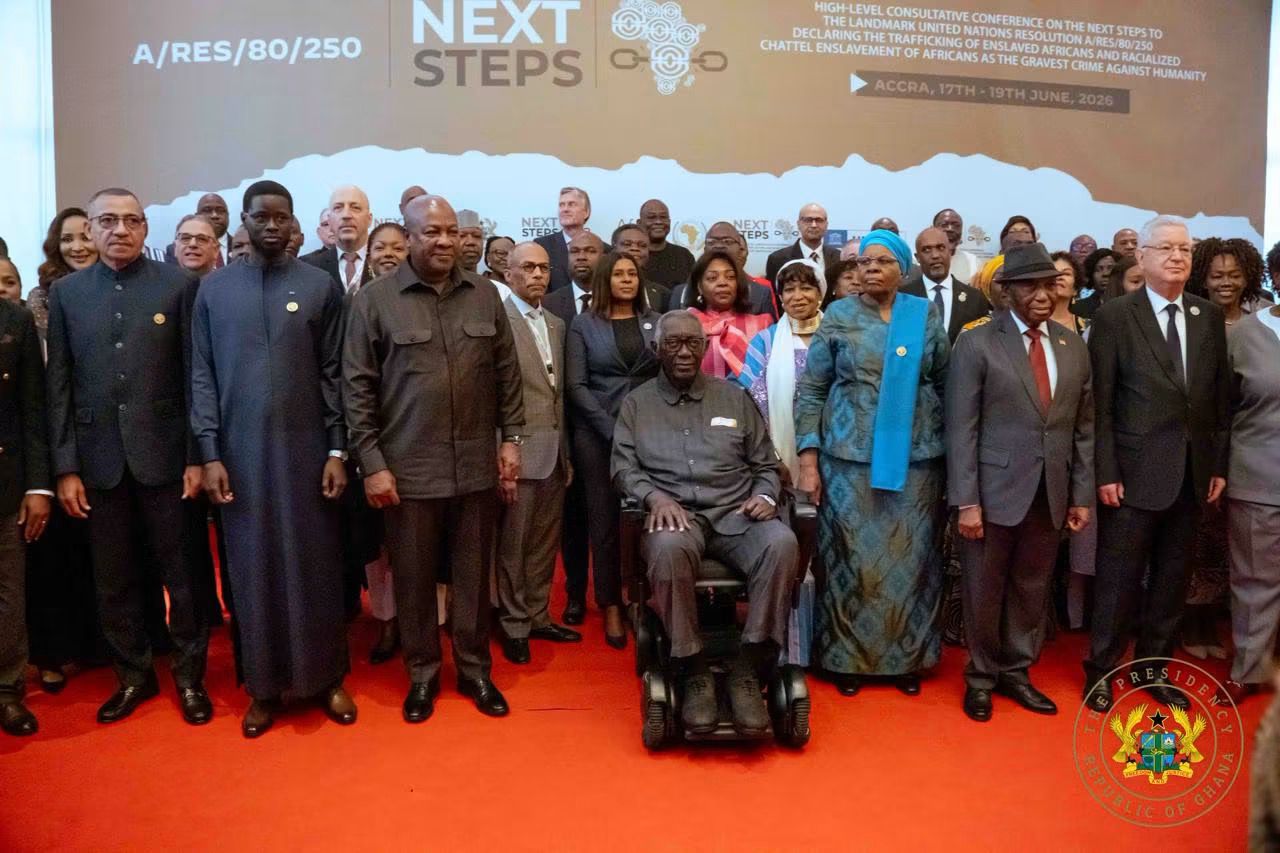
Ghana’s President John Dramani Mahama approved the first emergency evacuation on 13 May 2026, after a video of a Ghanaian national being attacked circulated online. The first 300 Ghanaians arrived in Accra on 27 May. A second batch of 400 to 500 followed. Total evacuated: approximately 1,000.
Nigeria’s 260 arrived home on Democracy Day. Mozambique’s 700 followed. The Malawian government and private sponsors organised bus convoys out of Durban. Zimbabwe’s 139 were processed separately.
The ANC operated in exile for decades with direct support from Tanzania, Zambia, Zimbabwe, and Nigeria, among others. African governments sheltered the liberation movement, provided logistics, and backed the international isolation of the apartheid regime. The nationals now on evacuation flights come from those same countries.
The June 30 deadline is five days away. South African police are deploying nationwide. The march organisers say they are not finished.
Sources: Source Archive