Government is seeking to turn Ghana’s kente heritage into greater economic opportunities for the people who produce it, with a focus on skills development, market access, infrastructure and support for artisans.
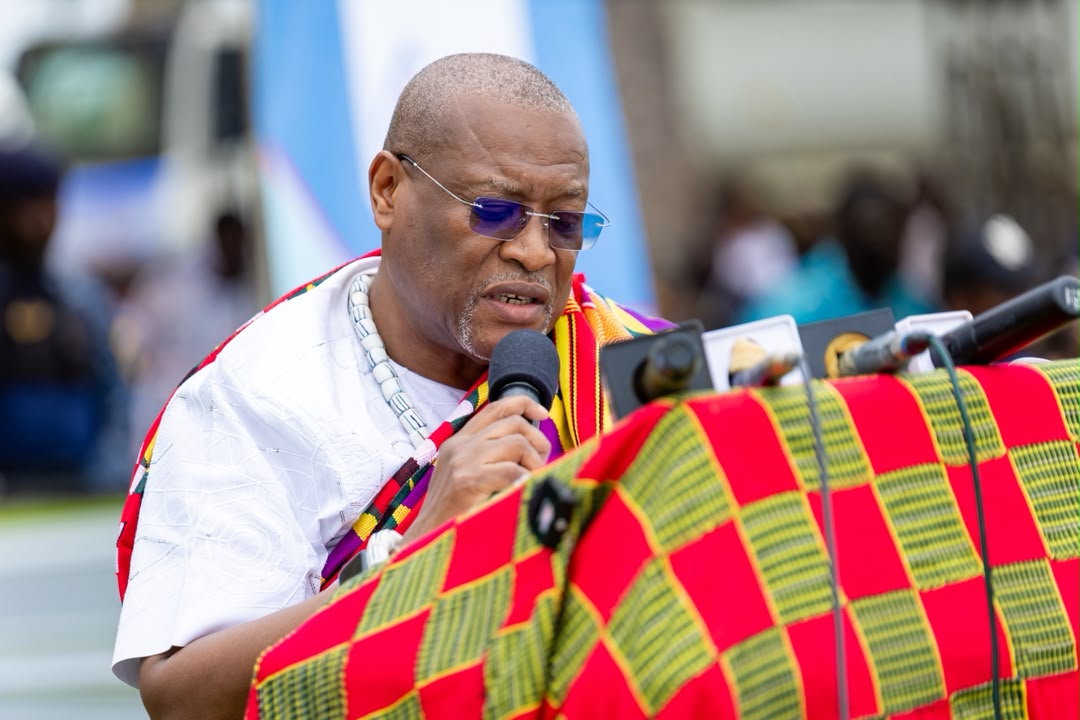
Chief of Staff at the Office of the Vice President, Alex Segbefia, said the country’s kente industry must be developed in a way that allows weavers, designers and other creative professionals to build sustainable businesses from their skills.
“Ghana’s cultural heritage is an inheritance, and the knowledge and creativity behind it are assets. Our weavers, designers and other creative professionals must be able to turn their knowledge and talents into sustainable enterprises and decent livelihoods,” he said.
Mr Segbefia was speaking at the 31st Agotime Kente Festival in the Volta Region, where he represented Vice President Prof. Naana Jane Opoku-Agyemang.

Mr Segbefia said sustaining that tradition would require deliberate investment in the people and businesses behind it.
“Kente holds an extraordinary place in Ghana’s national life. It carries our values and identities, accompanies us through important moments in our lives, and has become one of the most recognised expressions of Ghanaian culture worldwide,” he said.
He noted, however, that the knowledge required to sustain the craft could not be taken for granted, particularly as weavers contend with rising input costs and competition from cheaper imitations.
“We want our young people to learn and sustain this craft. We must all ensure viable livelihoods,” he said.
Mr Segbefia said the proposed Centre of Excellence for Agɔtime Kente would be important in this regard, providing training and support for artisans and enterprises, encouraging research and innovation, protecting traditional designs and strengthening the area’s position as a cultural tourism destination.

He commended the Bank of Ghana for its support for the initiative and encouraged other institutions and development partners to contribute to its completion.
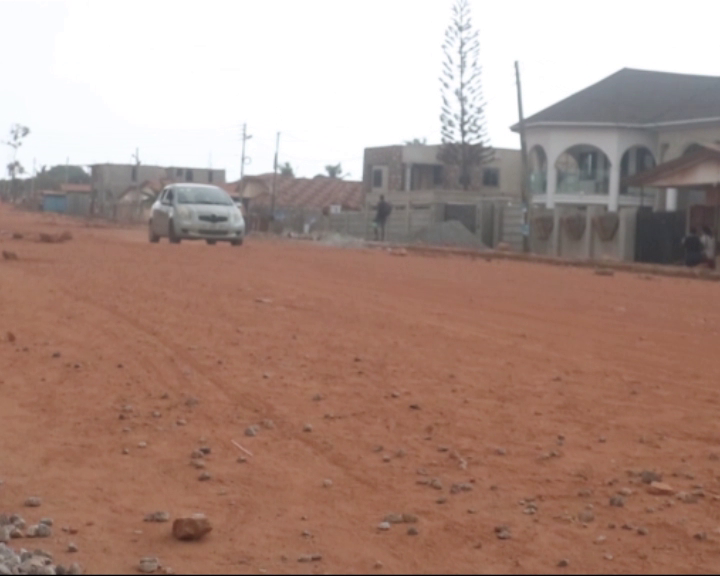
He also linked the development of the kente industry to improved infrastructure, particularly roads connecting Agɔtime to other parts of the region.
According to him, the rehabilitation of the Ho-Potoy Road and the Potoy-Afiadenyigba Road forms part of government’s wider infrastructure programme and would improve the movement of people, materials and finished products.

“Better connectivity makes it easier for our weavers and other businesses to obtain materials and move their products to market. It makes Agɔtime more accessible to visitors and strengthens the potential of this festival, the upcoming Kente Village, and other local enterprises to contribute to tourism and economic activity,” he said.
Mr Segbefia further said government was working through the Ministry of Tourism, Culture and Creative Arts, the Creative Arts Agency and other cultural institutions to expand market access, support enterprise development, encourage innovation and strengthen the protection of intellectual property.
He stressed that the international recognition of Ghanaian kente should translate into better economic returns for the artisans and communities whose knowledge sustains the craft.
“If we want our creative industries to grow, the people behind them must be able to produce, train, travel, reach customers, and build viable businesses,” he said.
He urged Ghanaians to support the industry by choosing authentic kente and patronising local weavers.

“When we choose authentic Kente and support our weavers, we help sustain the products, the body of knowledge, and the livelihood built around it,” Mr Segbefia said.
He congratulated the Agɔtime Traditional Council, the Festival Governing Council, the Planning Committee, weavers and artisans for their efforts in keeping the tradition alive.
Agotime has a long-standing tradition of kente weaving, with the craft forming an important part of the area’s cultural identity and local economy. The annual Agbamevorza, or Kente Festival, was institutionalised in the 1990s to promote and preserve the distinctive kente tradition of the area while using the industry to support tourism and socio-economic development.
The festival has over the years provided a platform for showcasing different kente designs and the skills of local weavers, while drawing visitors and creating opportunities for the local economy. Agotime is also recognised for its concentration of kente weavers and its long tradition of producing distinctive handwoven designs.