Story by George Yawson VINEH
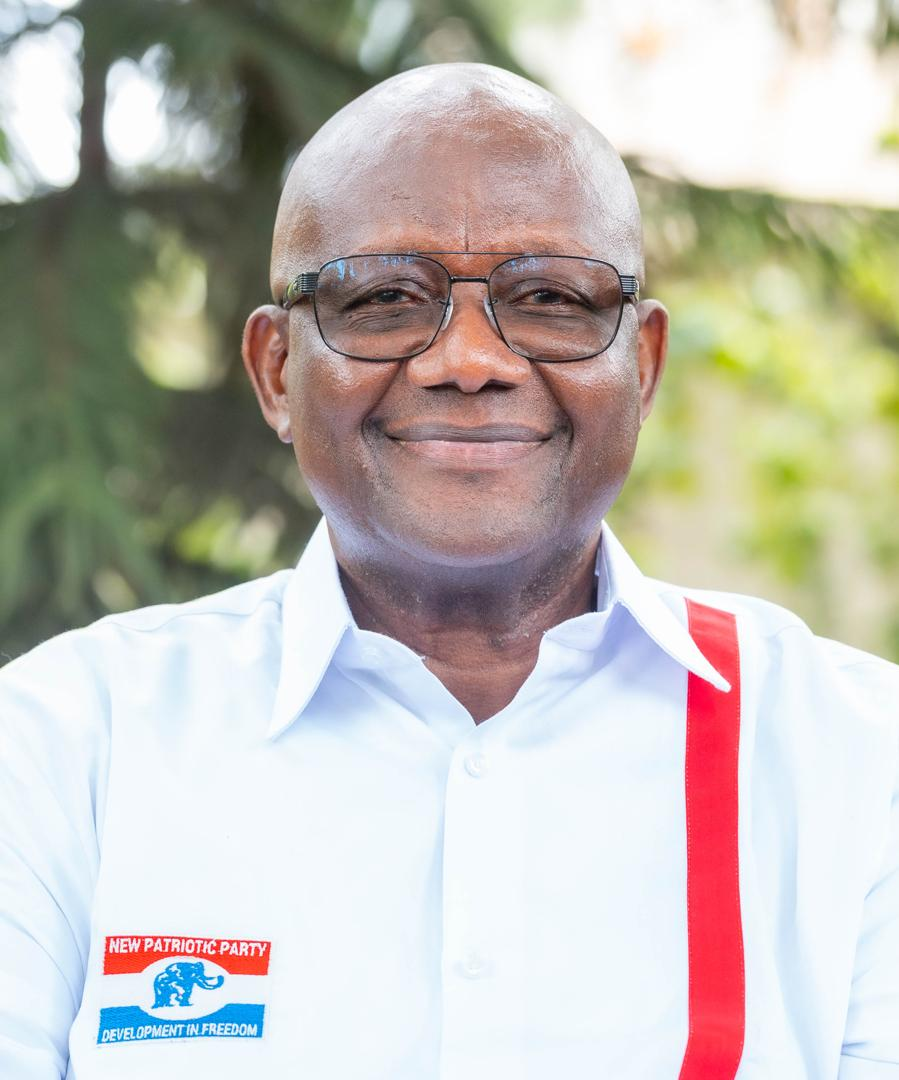
Former National Chairman of the New Patriotic Party (NPP), Paul Afoko, has officially declared his intention to contest the party’s National Chairmanship, promising to reunite the party, strengthen its structures, and position it to reclaim political power in the next general election.
Addressing the media on Tuesday July 14, 2026 in Accra, Mr. Afoko said his decision followed months of extensive consultations with stakeholders across all sixteen regions of Ghana.
According to him, the engagements which included meetings with the party’s National Executives, National Council of Elders, Regional Executives, former President John Agyekum Kufuor, former President Nana Addo Dankwa Akufo-Addo, the NPP’s 2024 Presidential Candidate Dr. Mahamudu Bawumia, and the Parliamentary Caucus were not campaign activities but a period of listening, reflection, consultation, and reconciliation.
He stressed that he respects the party’s constitution and electoral processes and would officially campaign only when nominations are opened.
Mr. Afoko said the consultations revealed widespread concerns among party members, including disappointment, frustration, and divisions, but also a strong desire to see the NPP recover and return to government.
He said his vision for the party is anchored on what he described as the “Three Rs” Reunite, Rebuild, and Recapture Power.
He argued that the NPP cannot regain power if internal divisions persist and called for renewed commitment to the party’s founding values of discipline, tolerance, respect, service, and loyalty.

“I am not coming to lead one faction against another. I am coming to help reconcile the party and build bridges across generations, regions and every section of our political tradition,” he stated.
Reflecting on his previous tenure as National Chairman, Mr. Afoko highlighted reforms introduced under his leadership, including strengthening constituency structures, opening and resourcing constituency accounts, improving grassroots support, and organizing parliamentary primaries.
Although he acknowledged that he did not complete his tenure, he maintained that he had remained loyal to the NPP despite his suspension, continuing to pay his dues and support party activities.
He pledged to restore greater authority to grassroots structures, strengthen polling station and constituency organizations, improve communication between the national leadership and local branches, and ensure resources reach the base of the party.
Mr. Afoko also outlined plans to rebuild confidence among Ghana’s business community, describing the NPP as the country’s natural home for private enterprise, innovation, and wealth creation.
He admitted that some businesses had become disappointed with previous policies and called for a renewed partnership with traders, manufacturers, farmers, transport operators, professionals, and young entrepreneurs to drive economic recovery and create a new prosperity agenda.
The former chairman further pledged to give greater opportunities to young people within the party, emphasizing that Ghana’s future depends on preparing the next generation for a rapidly changing global economy driven by artificial intelligence, digital technology, biotechnology, fintech, renewable energy, and innovation.
He also promised to place women at the center of the party’s renewal agenda, describing them as indispensable to grassroots mobilization, fundraising, communication, and leadership.
Addressing concerns over regional balance within the NPP leadership, Mr. Afoko dismissed suggestions that the party should avoid electing both its presidential candidate and national chairman from northern Ghana.
He said the NPP has never been a party built on geography, ethnicity, religion, or regional identity but rather on democratic ideals, enterprise, patriotism, and service to the nation.
He argued that leadership should be determined by competence and the ability to unite the party rather than where an individual comes from.
“The question before the NPP today should not be whether a leader comes from the North or the South. The real question is who can unite the party, reorganize it, restore confidence, strengthen the grassroots, and help us win power,” he said.

Mr. Afoko added that both the National Chairman and the Presidential Candidate serve the interests of the entire party and the nation, not their regions of origin.
He recalled that during his successful election as National Chairman in 2014, he campaigned on the “New Plan for Power” strategy rather than on regional identity.
Touching on the history of the NPP, Mr. Afoko reminded party members that the Danquah-Busia-Dombo tradition was formed as a truly national political movement following the passage of the Avoidance of Discrimination Act in 1957, which outlawed political parties organized along ethnic, regional, or religious lines.
He noted that parties such as the Northern People’s Party (NPP), National Liberation Movement (NLM), Togoland Congress, Muslim Association Party, and Ga Shifimo Kpee merged to form the United Party, laying the foundation for today’s New Patriotic Party.
According to him, that history demonstrates that the NPP’s strength has always been its national character and commitment to uniting people from every part of Ghana under shared democratic values.
Mr. Afoko concluded by expressing confidence that with unity, disciplined organization, strong grassroots structures, and renewed public trust, the NPP can rebuild itself and return to government. He urged party members to put aside divisions and work together to secure a stronger future for both the party and Ghana.