Story by George Yawson VINEH
Ghana has taken another significant step toward shaping the future of its cities with the introduction of the National Urban Policy (2026–2035) and the National Slum Upgrading and Prevention Strategy (NSUPS). The two policy frameworks are expected to guide the country’s urban transformation over the next decade by promoting inclusive, resilient, well-planned and economically vibrant cities while addressing the growing challenge of informal settlements.
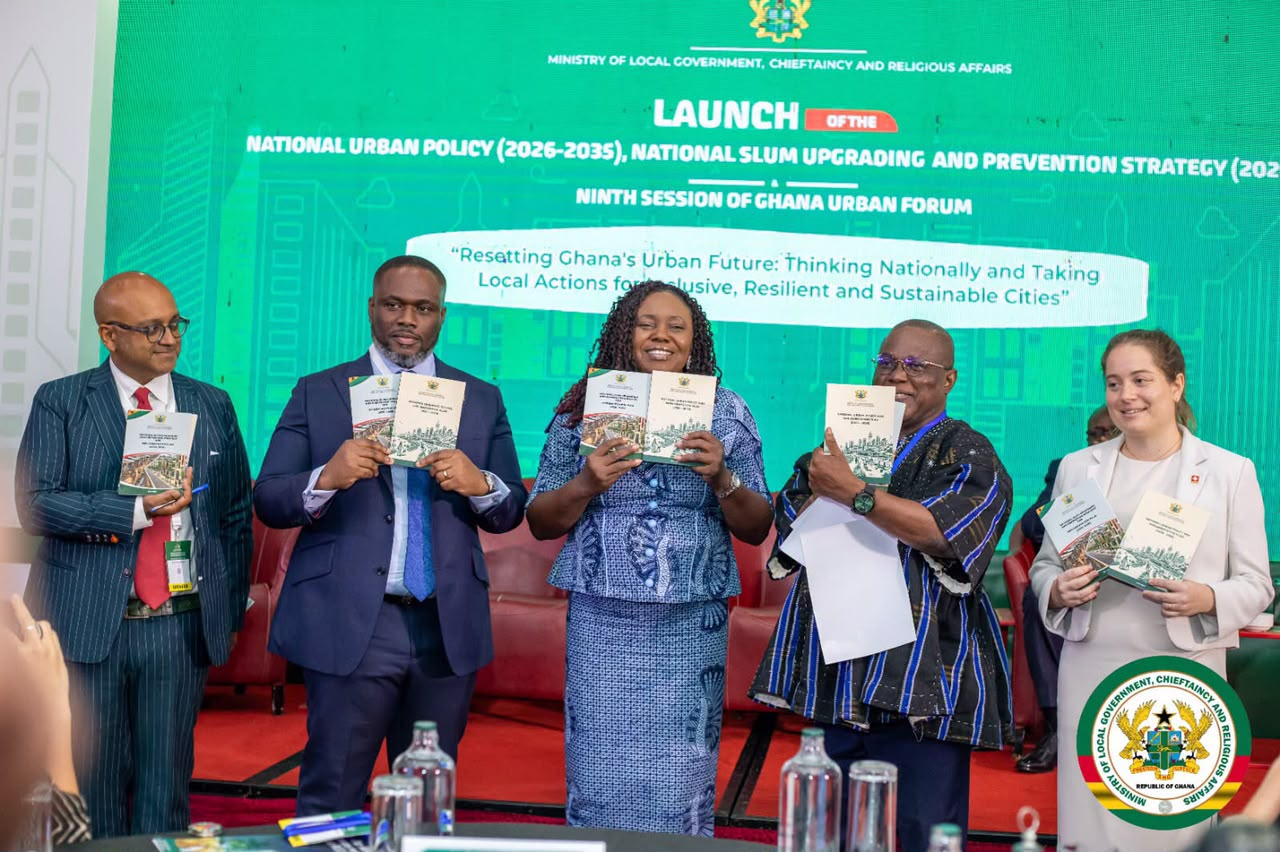
To address these issues, the government on Tuesday July 28, 2026 unveiled the National Urban Policy 2026–2035 and the National Slum Upgrading and Prevention Strategy 2026–2035 to provide a coordinated roadmap for managing urban growth.
The National Urban Policy seeks to strengthen urban governance, improve land use planning, expand access to affordable housing, promote climate-resilient infrastructure and enhance the delivery of essential services such as water, sanitation and transportation.
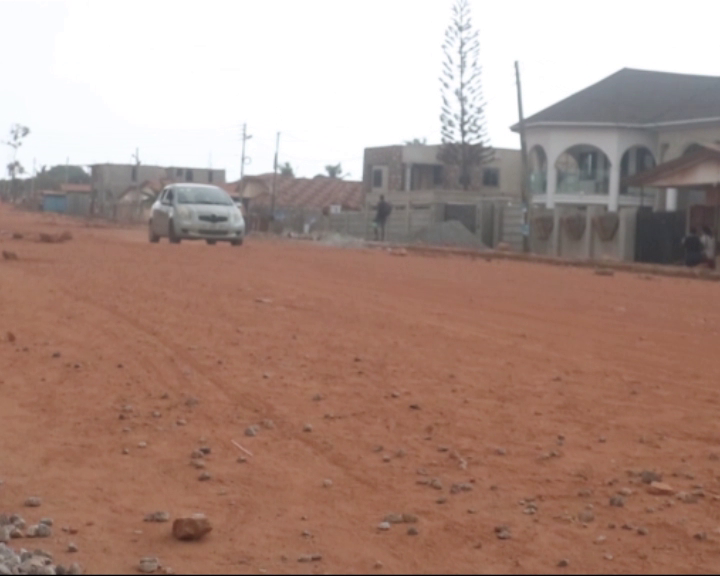
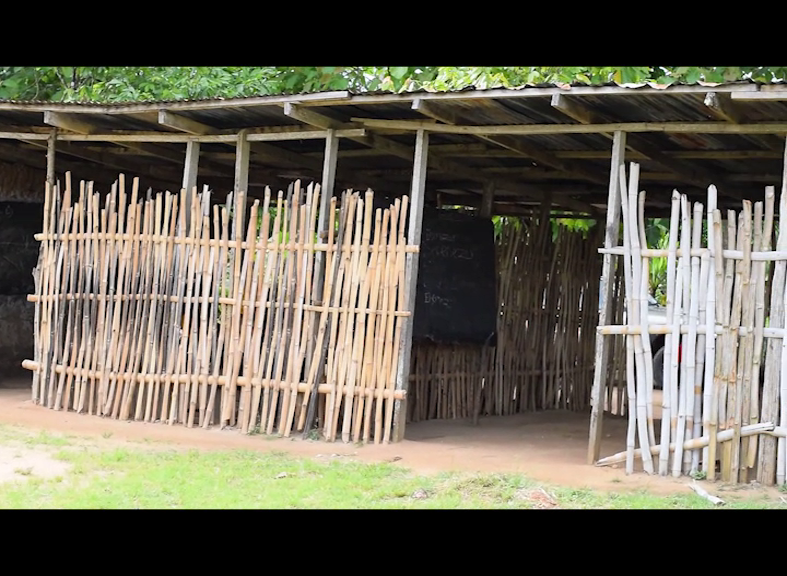
The National Slum Upgrading and Prevention Strategy complements the policy by focusing on improving conditions in existing informal settlements through better roads, drainage, sanitation, water supply and secure land tenure, while introducing measures to prevent the formation of new slums.

Speaking at the launch in Accra, Senior Advisor to the President on SDGs, Dr. Nii Moi Thompson on behalf of President Mahama described the launch as a major milestone in Ghana’s urban development journey, saying the country’s urban future is central to the government’s national reset agenda.
He noted that rapid urbanisation has created opportunities for economic growth, innovation and job creation, but has also increased housing deficits, congestion, flooding, environmental degradation and the expansion of informal settlements.
Reflecting on Ghana’s first National Urban Policy, which he launched as Vice President in 2012, President Mahama said the policy recorded important gains in urban governance, spatial planning and environmental management. However, he acknowledged that only about half of its intended outcomes were achieved due to weak coordination, inadequate financing and poor integration into sector development plans.
According to the President, the new National Urban Policy and Implementation Plan, together with the National Slum Upgrading and Prevention Strategy, provides a more responsive framework for managing Ghana’s growing urban population over the next decade.

On the part of the host ministry and on behalf of the sector minister, Chief Director of the Local Government, Chieftaincy and Religious Affairs, Alhaji Amin Abdul-Rahaman underscored the need for stronger collaboration among metropolitan, municipal and district assemblies, traditional authorities, development partners, civil society organisations and local communities to ensure the successful implementation of the two frameworks.
The Minister in charge of Works and Housing, Gilbert Agie has disclosed that his outfit has commenced the review of the National Housing Policy to align with the new Urban Policy aimed at completing communities where housing is integrated with infrastructure, water supply, sanitation and other essential services. “The revised policy will respond to the realities of rapid urbanization by promoting affordable housing, climate-responsive settlements, and innovative approaches to housing delivery”.
The policies are also expected to support Ghana’s commitment to achieving the Sustainable Development Goals, particularly Goal 11, which seeks to make cities and human settlements inclusive, safe, resilient and sustainable.
And as Ghana continues its journey of urban transformation, these policies represent more than planning documents; they are a national commitment to ensuring that no community is left behind in the pursuit of sustainable and inclusive development.