By Victoria Wilson |
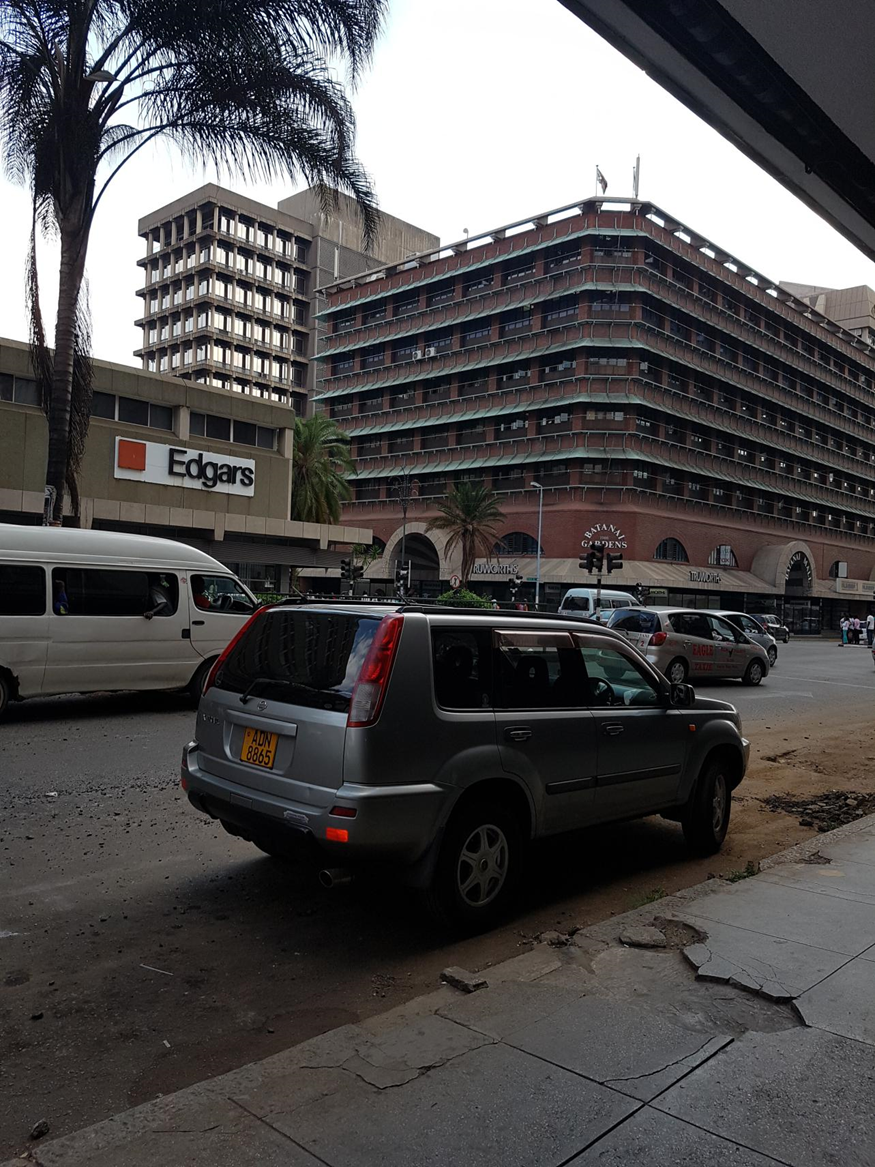
Photo: Agororo1 / Wikimedia Commons (CC BY-SA 4.0)
Zimbabwe’s Senate voted 75 to 4 on 24 June, 2026 to pass Constitution of Zimbabwe Amendment Bill No. 3. The bill extends President Emmerson Mnangagwa’s current term by two years, from 2028 to 2030, and removes the direct popular election of the president. Going forward, a joint sitting of parliament will choose Zimbabwe’s head of state. Citizens will not.
The National Assembly had already passed the bill 216 votes to 42. ZANU-PF holds a two-thirds majority in both chambers, the threshold required to amend the constitution.
What the Bill Does
CAB3 also abolishes the Zimbabwe Gender Commission and the National Peace and Reconciliation Commission, two bodies established by the 2013 Constitution to address structural inequality and the legacy of political violence. It transfers the voters’ roll from the electoral commission to the Registrar-General. It gives the president power to appoint ten additional senators on the basis of “professional skills.” It establishes a new electoral delimitation commission.
The 2013 Constitution was negotiated after years of political violence, economic collapse, and a power-sharing agreement between ZANU-PF and the opposition. It was designed with term limits, direct elections, and independent oversight bodies. CAB3 removes four of its structural provisions.
Section 328 of that constitution specifies that any amendment extending a sitting president’s term requires approval by national referendum. Justice Minister Ziyambi Ziyambi has maintained that no referendum is required because the bill adjusts the election cycle rather than term limits. Veritas, Zimbabwe’s legislative watchdog, reads the constitutional text differently. So does the Zimbabwe Catholic Bishops’ Conference, which described CAB3 as a threat to Zimbabwe’s “moral and institutional foundations” and demanded it be put to a referendum. War veterans filed a legal challenge. The government has not responded to the substance of the Section 328 argument and has said no referendum will be held.
THE MAN BEHIND THE AMENDMENT

Photo: Government of Zimbabwe / Wikimedia Commons (Public Domain)
Emmerson Mnangagwa is 83 years old. He came to power in November 2017 when the military, led by his ally General Constantino Chiwenga, placed Robert Mugabe under house arrest and forced his resignation after 37 years in power. Mnangagwa had been fired as vice president days earlier by Mugabe, at the urging of Mugabe’s wife Grace, who had been positioning herself as successor.
Before the presidency, Mnangagwa served as Zimbabwe’s Minister of State Security from 1980 to 1988, the years in which the 5th Brigade carried out the Gukurahundi massacres in Matabeleland and the Midlands. Between 20,000 and 30,000 Ndebele civilians were killed. The Central Intelligence Organisation that Mnangagwa oversaw provided intelligence to the same 5th Brigade and targeted ZAPU leaders. He served as the government’s public spokesperson defending the 5th Brigade operations to the international community. He has consistently denied direct responsibility for the killings.
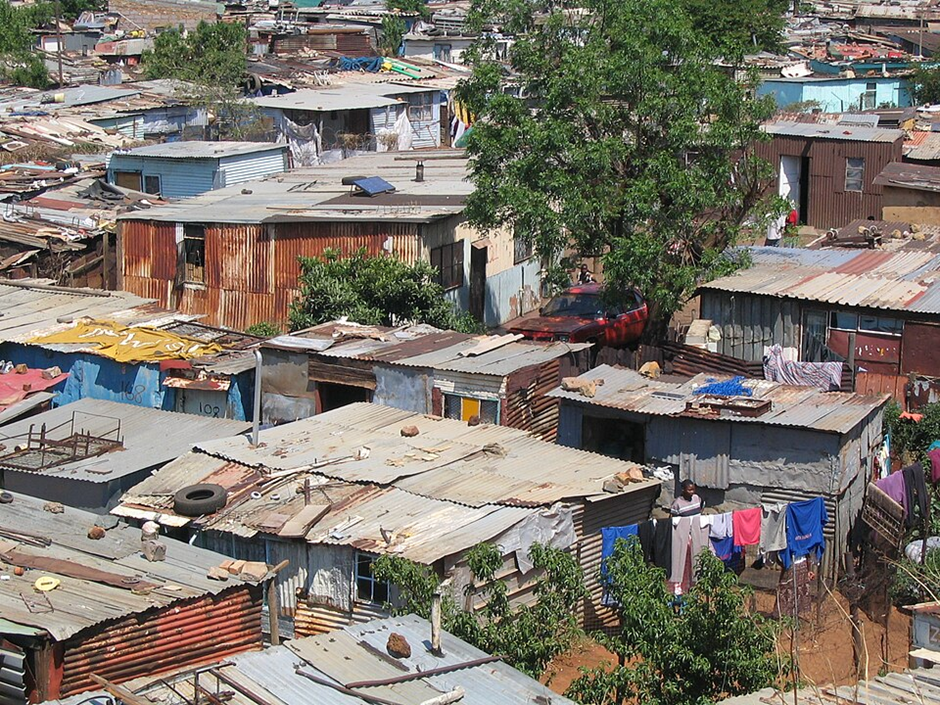
He won the 2018 and 2023 presidential elections. Both were contested by the opposition and found by international observers not to meet international standards. In 2018, military forces opened fire on post-election protesters in Harare and six people were killed. Amnesty International concluded in 2023 that Mnangagwa had “failed to break with the past” and was “fuelling a cycle of abuse and impunity.” Zimbabwe’s Corruption Perceptions Index score in 2024 was 21 out of 100, placing it 158th out of 180 countries, the lowest ranking in the SADC region since 2019. Extreme poverty affects 35 percent of the population.
He arrived in office with the slogan “Zimbabwe is Open for Business.” Vision 2030, his economic framework, targets upper-middle-income status by 2030. CAB3 ensures he is in office to see whether it arrives.
THE PATTERN ACROSS THE CONTINENT

Photo: Gary Bembridge / Wikimedia Commons (CC BY 2.0)
Zimbabwe is not an isolated case. Across the continent, a pattern has taken hold: sitting presidents using constitutional mechanisms to remove the limits placed on executive power, then winning elections under the new rules.
Paul Biya of Cameroon, 93, has been in power since 1982 through successive amendments that removed term limits. Teodoro Obiang Nguema of Equatorial Guinea, 84, has held power since 1979, when he seized it in a coup; he has since appointed his son as First Vice President. Yoweri Museveni of Uganda, 81, has governed since 1986; in December 2017, parliament removed the presidential age limit from the constitution, allowing him to stand again. Alassane Ouattara of Côte d’Ivoire, 84, removed presidential term limits from the constitution and won a fourth term in October 2025.
In each case, the mechanism differs. In each case, the constitutional structure that was designed to create an endpoint for executive power was amended by the executive, or by a legislature controlled by the ruling party, while the incumbent was still in office.
The Crisis Coalition in Zimbabwe, a civil society umbrella that had operated for 25 years, dissolved in early 2026 under the weight of government legislation restricting NGOs and the collapse of donor support that followed. The opposition CCC, the Catholic Bishops, trade unions, and war veterans opposed CAB3. ZANU-PF’s two-thirds majority in both chambers made the outcome a formality.
The Senate vote was 75 to 4. The bill now awaits presidential assent.