By Victoria Wilson |
Photo: Matt-80 / Wikimedia Commons (CC BY 2.0)
Anti-immigrant protesters marched in Johannesburg, Pretoria, Durban, and Cape Town on 30 June 2026, the date that the movements March and March and Operation Dudula had designated as a deadline for undocumented foreign nationals to leave South Africa. Some marches were peaceful. In Thembisa, a northern suburb of Johannesburg, rioters threw stones at police and at suspected migrants. In Benoni, east of Johannesburg, police deployed tactical vehicles and opened fire on approximately 500 demonstrators after being threatened.
South Africa’s Border Management Authority (BMA) says more than 13,000 foreign nationals were repatriated or formally deported in the two weeks before the deadline, approximately 9,000 Malawians, 3,000 Zimbabweans, 900 Ghanaians, and 300 Nigerians.
THE MARCHES

Photo: Dyltong / Wikimedia Commons (CC BY-SA 4.0)
Protesters in Soweto handed a memorandum to Moroka Police Station calling for stricter border controls and the “immediate and massive deportation of all illegal foreigners.” Acting Police Minister Firoz Cachalia had announced in the days before that police leave had been cancelled nationwide and additional resources deployed across the country.
March and March confirmed after the marches that they would hold weekly protests for the next six months until their demand, the removal of undocumented foreign nationals, SSis met. Operation Dudula, which a South African High Court has confirmed perpetrated “intimidation, harassment, incitement to violence and hate speech” against foreign nationals, participated in the June 30 marches alongside March and March.
GOVERNMENT RESPONSE

Photo: ITU Pictures / Wikimedia Commons (CC BY 2.0)
President Cyril Ramaphosa has publicly called Operation Dudula “immoral and racist” and has stated that the enforcement of immigration law is the responsibility of the state alone. “No individual may stop any person to demand documentation or proof of identity or nationality,” Ramaphosa said.
The government has simultaneously announced intensified immigration enforcement. The Department of Home Affairs, the Border Management Authority, and the South African Police Service have been instructed to accelerate identification and deportation of undocumented foreign nationals. Border security measures are also being strengthened.
Minister of Human Settlements Mmamoloko Kubayi said the government was focused on maintaining order while assisting migrants who wished to leave, but confirmed no refugee or transit camps would be established.
March and March publicly rejected the president’s condemnation and said their demands stand regardless of the government’s position.
DISPLACEMENT NUMBERS

Photo: NJR ZA / Wikimedia Commons (CC BY-SA 3.0)
The BMA figure of 13,000 covers departures over two weeks. Individual country tallies, compiled by receiving governments through their own repatriation programmes, differ in how they count departures. Zimbabwe’s government separately reported that 3,624 Zimbabwean nationals had been repatriated by June 30. Earlier PATV reporting placed Ghana’s total at approximately 1,000, Nigeria at more than 1,000 processing, Mozambique at 700, and Malawi at more than 8,000, with roughly 10,000 having gathered at a Durban shelter before departures began.
At least four people have been killed since the crisis began in March 2026, according to reports. The South African Foreign Minister has disputed some individual death figures cited by other governments.
GHANA PETITIONS THE AU

Photo: U.S. Embassy Ghana / Wikimedia Commons (Public Domain)
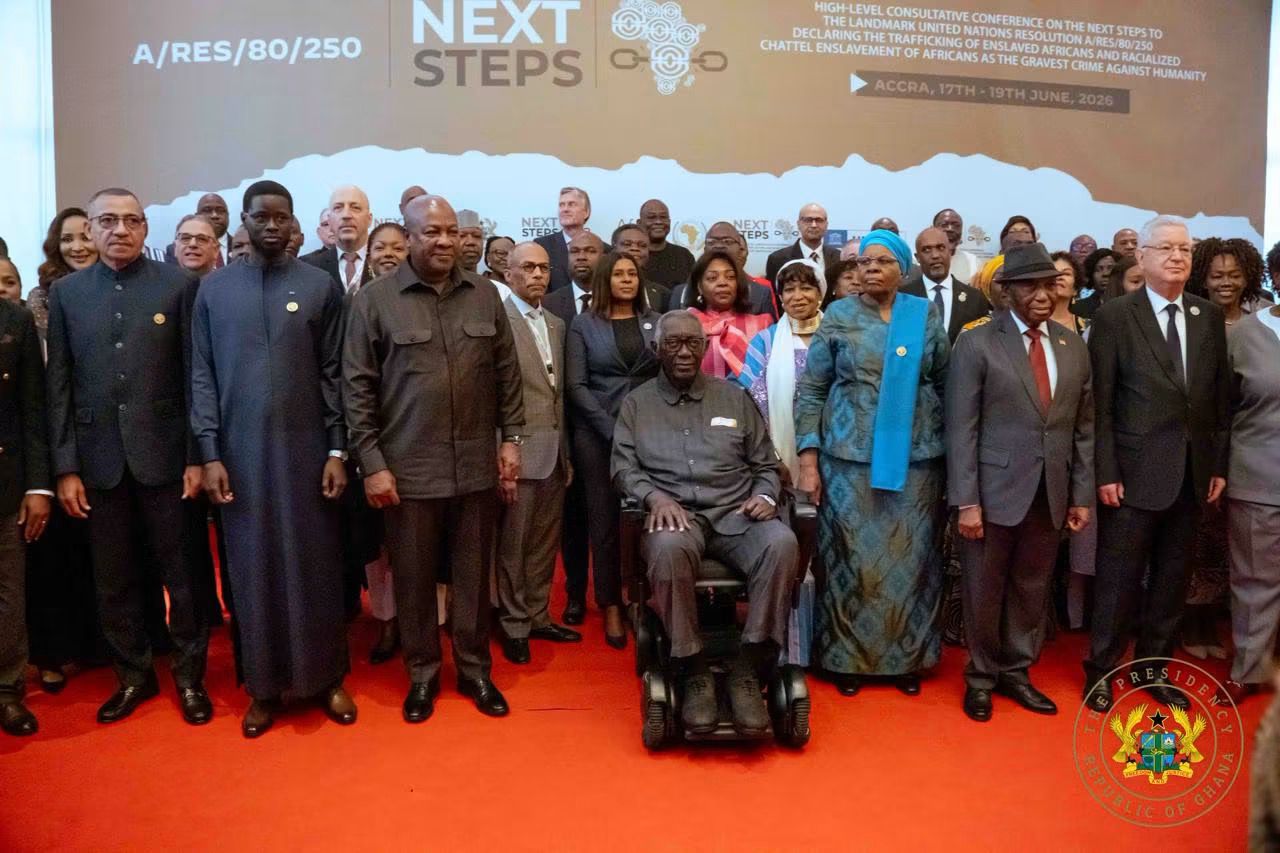
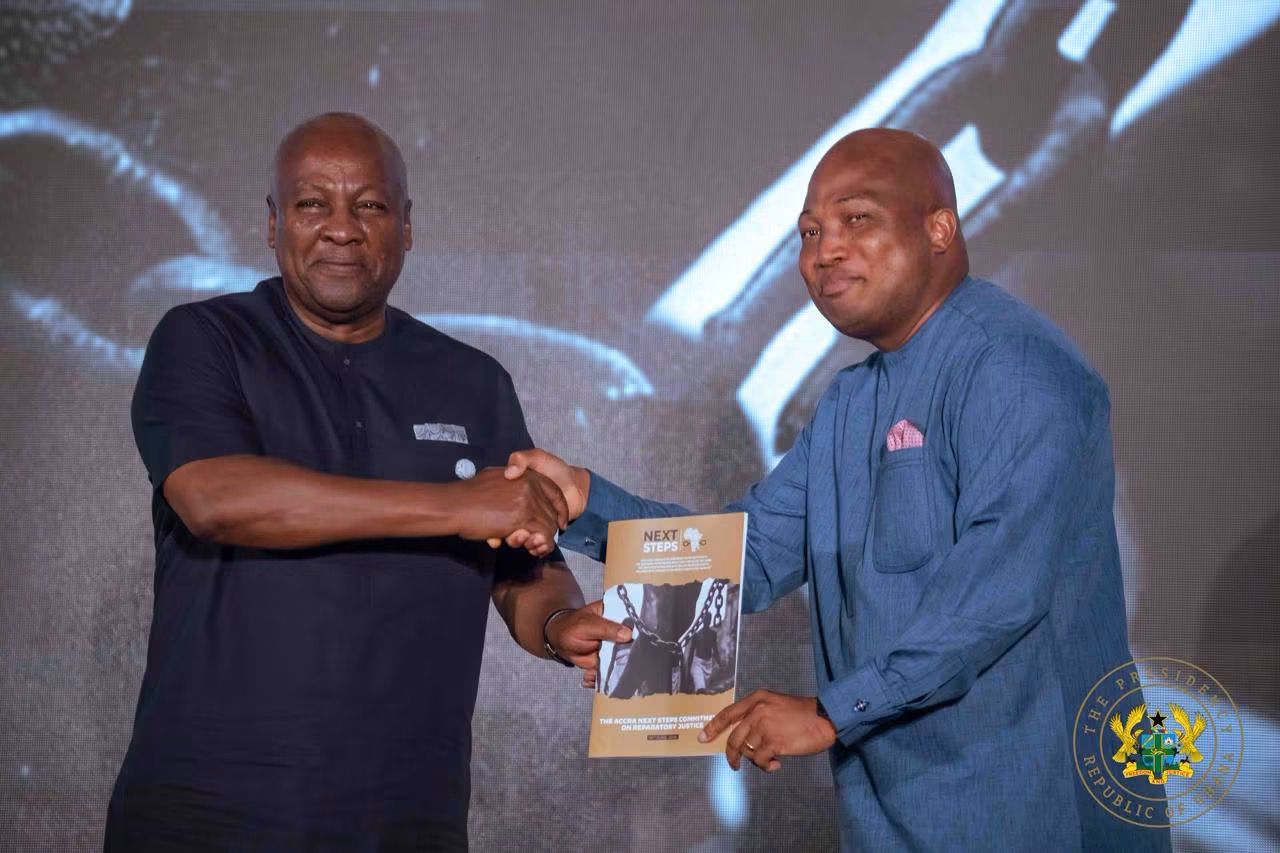
Ghana formally requested that the African Union Commission place “Xenophobic Attacks in the Republic of South Africa against African Nationals” on the agenda of the AU’s Eighth Mid-Year Coordination Meeting, held in Cairo from 24 to 27 June. Ghana’s Foreign Affairs Minister Samuel Okudzeto Ablakwa signed the petition, asking the AU to establish a fact-finding mission, strengthen member state human rights monitoring, and facilitate continental dialogue on migration.
South Africa’s Department of International Relations and Cooperation responded that the attacks constituted “isolated incidents” and that authorities had acted to contain the situation. Minister Ronald Lamola engaged his Ghanaian and Nigerian counterparts directly.
No AU resolution on the matter has been reported as of 1 July 2026.
South Africa’s anti-immigrant marches are now entering their fourth month. The movements have confirmed a programme of weekly protests through the end of 2026. The government’s immigration enforcement intensification is under way.